 Behind the ReelsJoin the Community
Managing Stress in African Communities
Stress in African communities is driven by economic hardship and violent conflict. You may not control the stressor, but you can control your reaction.
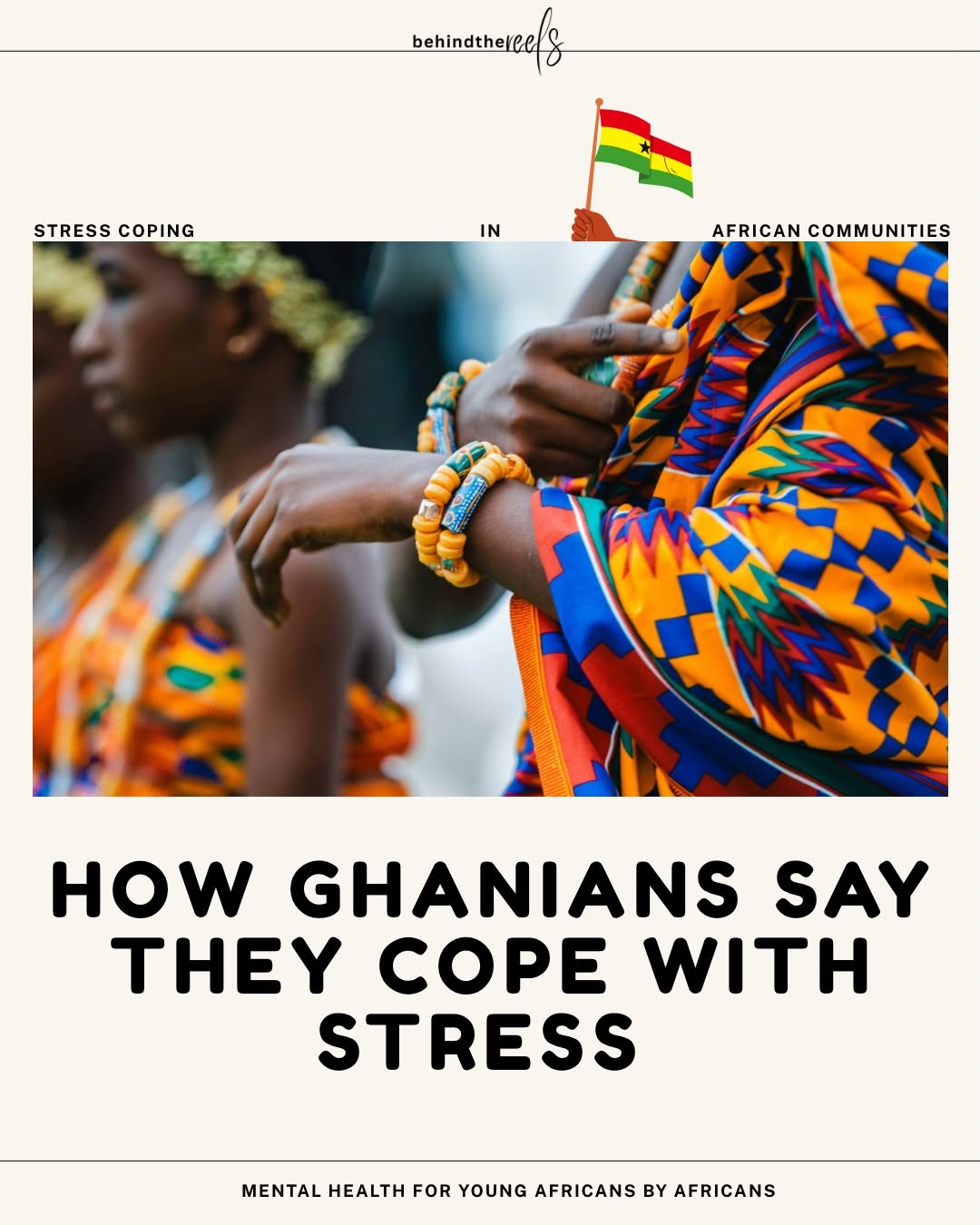
Stress in African communities is a complex issue driven by severe economic hardship, violent conflict, and systemic inequality. Managing this stress is essential — not just for individual wellbeing, but for reducing high mortality rates and supporting communities as a whole.
Why Stress Hits Differently in African Contexts
Many young Africans carry stressors that go beyond personal circumstances — family pressure to succeed, financial instability, unemployment, political uncertainty, and the weight of generational expectations. These are real, valid, and heavy.
What You Can Control
You may not be able to directly control the stressor, but you can control your reaction to it. Here are practical approaches that work:
- Name what you're feeling. Naming stress reduces its power. Saying "I am overwhelmed" is the first step to responding instead of reacting.
- Breathe deliberately. Slow, deep breathing activates the parasympathetic nervous system and reduces cortisol. Four counts in, hold for four, out for four.
- Limit information overload. Constant news and social media amplifies stress. Set intentional limits on consumption.
- Move your body. Even a 10-minute walk reduces stress hormones and improves mood significantly.
- Lean on community. African communal culture is a strength. Talking to someone you trust — not just carrying things silently — is not weakness. It is wisdom.
- Rest without guilt. Rest is productive. Your body and mind need recovery to function.
You are not weak for feeling stressed. You are human. And there is help available.
More resources
Why Every Day Should Be World Health Day
One designated day is not enough. Here are five reasons why consistent daily attention to your health matters more than annual awareness.
ResourceUnderstanding Childhood Trauma and Its Mental Health Impact
More mental health issues are caused by abuse than genetics. Understanding how childhood experiences shape us is the first step to healing.
ResourceThe State of Mental Health Among Young Africans
Every year, over 34,000 young Africans are lost to suicide. These are not statistics, they are people with families, dreams, and hope.