 Behind the ReelsJoin the Community
Understanding Childhood Trauma and Its Mental Health Impact
More mental health issues are caused by abuse than genetics. Understanding how childhood experiences shape us is the first step to healing.
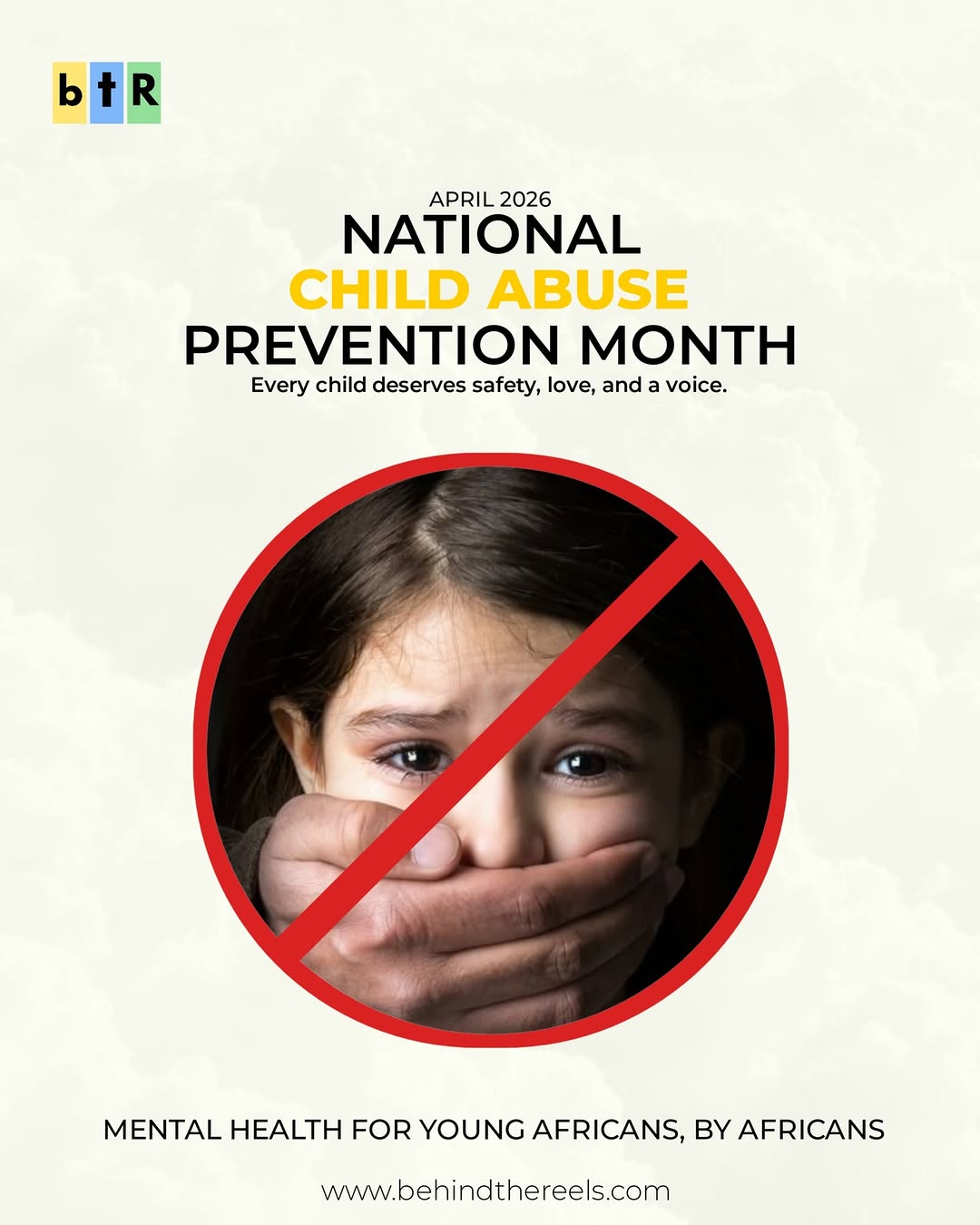
April is National Child Abuse Prevention Month — but the effects of childhood trauma do not stay in April. They stay in the body, the nervous system, and the patterns we carry into adulthood.
One of the most important things to understand: more mental health issues are caused by abuse than by genetics.
Types of Childhood Trauma and Their Effects
Physical and Sexual Abuse
These often lead to hyperarousal — a state of always being "on edge" — and Post-Traumatic Stress Disorder (PTSD). The brain learns to stay in survival mode even when the danger has passed.
Emotional Abuse and Verbal Maltreatment
This includes constant criticism, belittling, manipulation, or being made to feel worthless. It can lead to low self-esteem, depression, anxiety, and difficulty trusting others.
Neglect (Physical or Emotional)
Neglect is the most common form of child maltreatment. It often creates a "trauma of omission" — not what was done, but what was never given: safety, warmth, attention, care. This can result in cognitive deficits and difficulty with executive functions like planning and reasoning.
Witnessing Domestic Violence
Children who witness violence at home are "primed" to detect threats. Their visual and emotional processing systems adapt to a world that feels dangerous, making it harder to regulate emotions later.
The Cycle Can End With You
Whatever cycle you may have experienced growing up — it ends with you. Healing is not linear, but it is possible. Recognising what happened is not the same as being defined by it.
If you or someone you know is affected by childhood trauma, speaking with a trusted person, counsellor, or mental health professional is a powerful step.
More resources
Why Every Day Should Be World Health Day
One designated day is not enough. Here are five reasons why consistent daily attention to your health matters more than annual awareness.
ResourceManaging Stress in African Communities
Stress in African communities is driven by economic hardship and violent conflict. You may not control the stressor, but you can control your reaction.
ResourceThe State of Mental Health Among Young Africans
Every year, over 34,000 young Africans are lost to suicide. These are not statistics, they are people with families, dreams, and hope.